ERP for Small Business – Enterprise Resource Planning (ERP) systems have revolutionized the way small businesses manage their operations in today’s competitive market. By integrating various core business functions into a single platform, ERP systems enable small businesses to streamline processes, enhance efficiency, and make data-driven decisions.
As technology continues to evolve, ERP solutions tailored for small businesses are becoming more accessible, scalable, and essential for sustainable growth. This article explores the key benefits, types, challenges, and future trends of ERP systems specifically designed to empower small businesses in optimizing their performance and achieving strategic objectives.
What is ERP for Small Business?
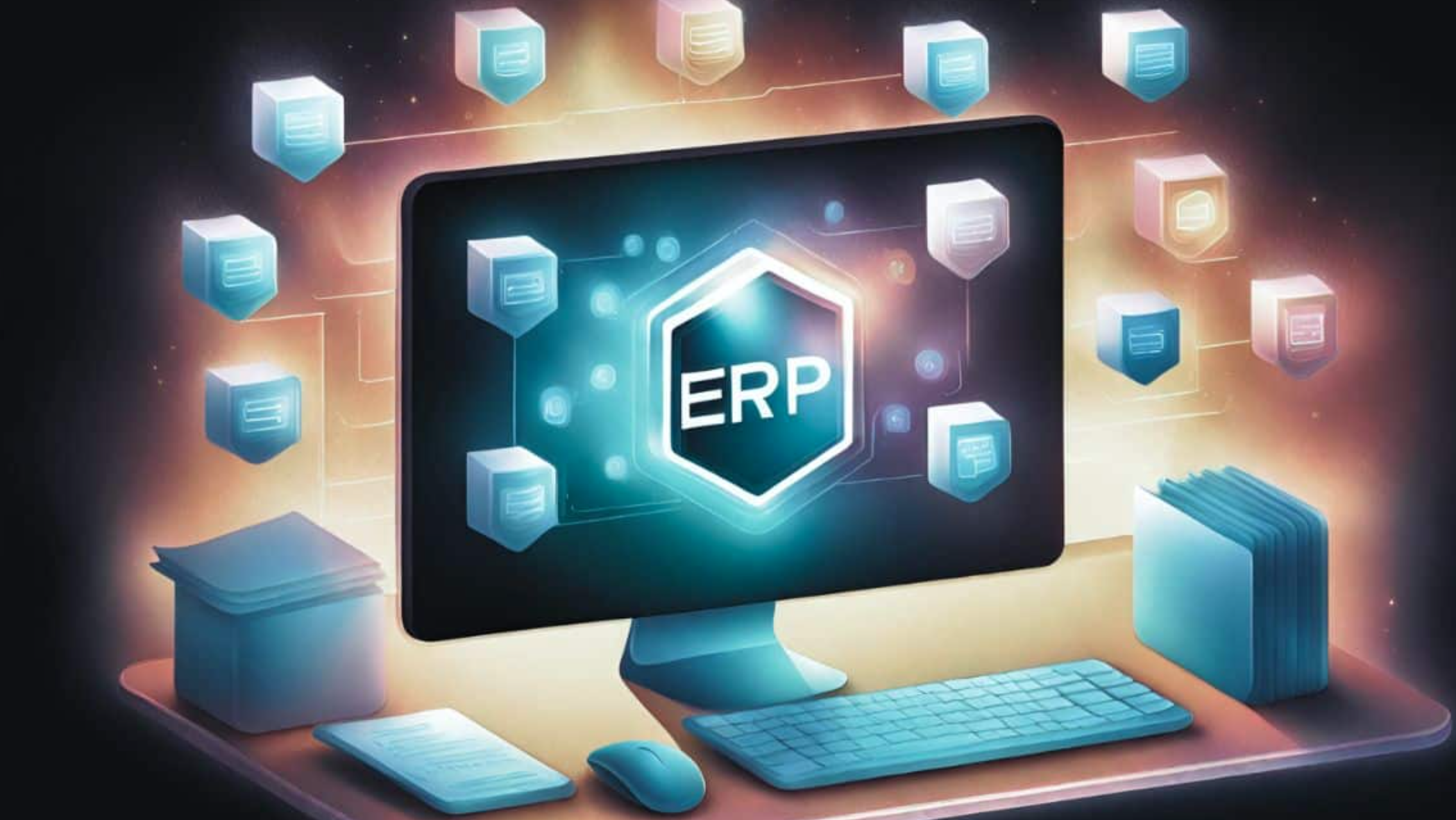
ERP, which stands for Enterprise Resource Planning, is a software system that integrates various essential functions of a business into one unified platform. For small businesses, ERP software plays a crucial role in streamlining operations and improving efficiency. It typically includes modules for accounting, human resources, inventory management, customer relationship management (CRM), and more.
The main purpose of ERP for small businesses is to centralize data and processes, allowing for better decision-making, improved collaboration among departments, and enhanced overall productivity. By consolidating disparate systems into a single, cohesive solution, ERP enables businesses to manage their resources more effectively and respond quickly to market changes.
In essence, ERP systems provide small businesses with the tools to automate routine tasks, optimize workflows, and gain insights through real-time data analysis. This integration helps businesses operate more competitively, reduce operational costs, and scale operations smoothly as they grow.
Benefits of ERP Systems
1. Centralized Data Management
ERP systems consolidate all business data into a single, unified platform. This centralized approach eliminates data silos that may exist across different departments or systems. It ensures that information is accurate, up-to-date, and easily accessible to authorized users. This capability enables better decision-making based on real-time insights and enhances overall transparency within the organization.
2. Improved Efficiency and Productivity
By automating repetitive tasks and integrating business processes, ERP systems significantly boost efficiency. Employees can focus more on value-added activities rather than spending time on manual data entry or reconciliations. Streamlined workflows reduce operational bottlenecks and lead to faster response times to customer inquiries or market changes. Ultimately, improved productivity contributes to higher output without proportional increases in labor costs.
3. Cost Savings and ROI
Implementing an ERP system can lead to cost savings across various facets of the business. By optimizing inventory management, reducing excess stock levels, and minimizing order processing times, businesses can lower carrying costs and improve cash flow. Additionally, ERP systems help in identifying inefficiencies and areas for cost reduction, thereby enhancing overall profitability and return on investment (ROI).
4. Enhanced Customer Service and Satisfaction
With access to comprehensive customer data through CRM modules integrated into ERP systems, businesses can deliver personalized experiences and improve customer service. Sales teams can track customer interactions, preferences, and purchase history, allowing them to tailor offerings and provide timely responses to inquiries. Improved customer service leads to higher customer satisfaction and retention rates, driving long-term business growth.
5. Scalability and Flexibility
ERP systems are designed to accommodate business growth and expansion. They provide scalability by easily adapting to increased transaction volumes, additional users, and new business units or locations. Modular ERP solutions allow businesses to add functionalities as needed, ensuring flexibility to meet evolving business requirements and industry regulations without disrupting existing operations.
6. Strategic Decision-Making
Access to real-time data analytics and customizable reports empowers management with insights into business performance, trends, and forecasts. ERP systems facilitate data-driven decision-making by providing accurate information across all departments. Executives can analyze key performance indicators (KPIs), identify opportunities for growth or efficiency improvements, and strategize effectively to achieve business objectives.
7. Regulatory Compliance and Risk Management
ERP systems help businesses comply with industry regulations and standards by ensuring data accuracy, security, and traceability. Integrated audit trails and controls enhance transparency and accountability, reducing the risk of non-compliance penalties or financial discrepancies. By centralizing data and enforcing standardized processes, ERP systems strengthen risk management practices and protect the organization against potential threats.
Key Features of ERP Systems
Financial Management
-
General Ledger: Centralizes financial data for accurate reporting and analysis.
-
Accounts Payable/Receivable: Automates invoicing, payments, and collections processes.
-
Budgeting and Forecasting: Supports financial planning and forecasting based on real-time data.
-
Fixed Assets Management: Tracks and manages company assets throughout their lifecycle.
2. Inventory Management
-
Real-time Tracking: Monitors inventory levels, locations, and stock movements.
-
Order Management: Automates order processing, from procurement to fulfillment.
-
Inventory Optimization: Minimizes stockouts and excess inventory through demand forecasting.
-
Warehouse Management: Optimizes warehouse operations for efficient storage and picking.
Supply Chain Management (SCM)
-
Supplier Relationship Management: Manages supplier interactions and performance.
-
Procurement: Streamlines purchasing processes, from requisition to payment.
-
Logistics: Coordinates transportation and distribution to ensure timely delivery.
-
Demand Planning: Forecasts customer demand to optimize inventory levels and production.
Customer Relationship Management (CRM)
-
Sales Force Automation: Automates sales processes, lead management, and pipeline tracking.
-
Marketing Automation: Manages campaigns, customer segmentation, and lead nurturing.
-
Customer Service: Tracks customer interactions and resolves inquiries efficiently.
-
Analytics and Reporting: Provides insights into customer behaviors and preferences.
Human Resources Management (HRM)
-
Employee Database: Manages employee information, payroll, and benefits administration.
-
Recruitment and Onboarding: Streamlines hiring processes and integrates new hires.
-
Performance Management: Tracks employee performance, goals, and development.
-
Training and Development:
Supports employee learning initiatives and compliance training.
Business Intelligence (BI) and Reporting
-
Dashboards and KPIs: Visualizes key metrics and performance indicators in real time.
-
Ad Hoc Reporting: Generates customizable reports for informed decision-making.
-
Data Analytics: Analyzes trends, patterns, and anomalies to uncover insights.
-
Forecasting and Planning:
Provides tools for strategic planning and scenario analysis.
Integration Capabilities
-
Data Integration: Integrates with existing systems and third-party applications.
-
APIs and Middleware: Facilitates seamless data exchange and interoperability.
-
Cloud and Mobile Access: Enables anytime, anywhere access to ERP functionalities.
-
Scalability: Supports business growth with modular and scalable architecture.
Security and Compliance
-
Data Security: Implements robust security measures to protect sensitive information.
-
Compliance Management: Ensures adherence to industry regulations and standards.
- Auditing and Control: Tracks user activities and maintains data integrity.
Workflow Automation
-
Process Standardization: Standardizes workflows and procedures across departments.
-
Task Management: Assigns and tracks tasks to improve accountability and productivity.
-
Notifications and Alerts: Sends automated alerts for important events or deadlines.
Common Challenges in ERP Implementation
Resistance to Change
-
Employee Resistance: Staff may resist adopting new processes and technologies due to fear of job changes or unfamiliarity.
-
Management Buy-In:
Leadership may struggle to fully commit to the changes required, leading to mixed signals and lack of support.
Data Migration Issues
-
Data Accuracy: Ensuring that data transferred from legacy systems is complete, accurate, and compatible with the new ERP system.
-
Data Mapping: Mapping data fields and structures between old and new systems can be complex and time-consuming.
Budget Constraints
-
Cost Overruns: ERP implementations often exceed initial budgets due to unforeseen expenses such as customization, training, and additional infrastructure requirements.
-
ROI Uncertainty: Calculating and realizing return on investment (ROI) from the ERP system may take longer than anticipated.
Customization Challenges
-
Fit-Gap Analysis: Identifying gaps between ERP system functionalities and business requirements, which may necessitate customization.
-
Maintaining Upgrades: Customized ERP systems can become harder to upgrade and may require additional resources for ongoing maintenance.
Training and Skill Gaps
-
User Training: Providing adequate training to employees on how to use the new ERP system effectively.
-
Technical Expertise: Ensuring that the IT team has the necessary skills to configure, maintain, and support the ERP system.
Integration with Existing Systems
-
Legacy Systems: Integrating the new ERP system with existing software, databases, and processes can be complex and may require middleware or custom interfaces.
-
Data Synchronization:Ensuring seamless data flow and consistency between ERP modules and external systems.
Project Management
-
Scope Creep: Managing changes in project scope or requirements during implementation without impacting timelines or budgets.
-
Timeline Delays: Unexpected challenges or issues can delay implementation milestones and project completion.
Organizational Change Management
-
Cultural Shift: Aligning organizational culture with the new ERP system’s processes and workflows.
-
Communication: Maintaining clear and consistent communication across all levels of the organization about the benefits and goals of ERP implementation.
Vendor Selection and Support
-
Vendor Reliability: Ensuring that the ERP vendor provides adequate support, training, and ongoing updates.
-
Contractual Agreements: Negotiating favorable terms and conditions in the ERP vendor contract to mitigate risks and ensure service level agreements are met.
Performance Monitoring and Optimization
-
System Performance: Monitoring ERP system performance to identify and address bottlenecks or performance issues.
-
Continuous Improvement: Implementing processes for ongoing optimization and adaptation of the ERP system to meet changing business needs.
Type of ERP for Small Business
Cloud-Based ERP Systems
-
Description: Cloud ERP solutions are hosted on remote servers accessed via the internet, eliminating the need for on-premises hardware and IT infrastructure.
-
Benefits: Cost-effective with lower upfront expenses, scalable according to business growth, accessible from anywhere with internet connectivity, and typically includes regular updates and maintenance by the provider.
On-Premises ERP Systems
-
Description: On-premises ERP software is installed and maintained locally on the company’s own servers and infrastructure.
-
Benefits: Provides full control over data and customization, suitable for businesses with specific security or compliance requirements, and can be perceived as a one-time cost model for software licensing.
Open-Source ERP Systems
-
Description: Open-source ERP solutions provide source code access that allows businesses to modify and customize the software according to their needs.
-
Benefits: Cost-effective due to no licensing fees, flexible for customization, and benefits from a community of developers contributing to enhancements and support.
Industry-Specific ERP Systems
-
Description: Industry-specific ERP systems are tailored to meet the unique needs and regulatory requirements of particular industries, such as manufacturing, healthcare, retail, or hospitality.
-
Benefits: Designed with industry-specific functionalities, compliance with sector-specific regulations, and streamlined processes that align with industry best practices.
Hybrid ERP Systems
-
Description: Hybrid ERP solutions combine aspects of both cloud-based and on-premises ERP systems, offering flexibility in deployment and data management.
-
Benefits: Allows businesses to keep sensitive data on-premises while leveraging cloud benefits for scalability and remote access, providing a balance between security and agility.
Small Business ERP Suites
-
Description: ERP suites specifically designed for small businesses often offer integrated modules for essential functions such as finance, inventory management, CRM, and human resources.
-
Benefits: Simplifies integration and usability, suitable for businesses with limited IT resources, and typically comes with pre-configured templates and workflows tailored for small business operations.
Future Trends in ERP for Small Business
Cloud-Based Solutions
-
Description: Cloud ERP systems will continue to dominate, offering scalability, flexibility, and accessibility from any location with internet connectivity.
-
Benefits: Small businesses will increasingly adopt cloud-based ERP solutions for their lower upfront costs, ease of deployment, and automatic updates provided by the vendor.
AI and Machine Learning Integration
-
Description: AI and machine learning technologies will be integrated into ERP systems to automate routine tasks, predict trends, and provide actionable insights.
-
Benefits: Small businesses can leverage AI-powered analytics for enhanced decision-making, predictive maintenance, and personalized customer experiences without the need for extensive data science expertise.
IoT (Internet of Things) Connectivity
-
Description: ERP systems will integrate with IoT devices to collect real-time data from sensors, machines, and products.
-
Benefits: Small businesses can improve operational efficiency through predictive maintenance, optimize inventory management with real-time tracking, and enhance supply chain visibility.
Mobile ERP Access
-
Description: Mobile-friendly ERP interfaces will become standard, allowing employees to access ERP functionalities on smartphones and tablets.
-
Benefits: Enhanced mobility enables remote work flexibility, faster decision-making, and real-time data access for field sales teams, service technicians, and executives.
Blockchain for Transparency and Security
-
Description: Blockchain technology will be integrated into ERP systems to enhance data security, traceability, and transparency across supply chains and financial transactions.
-
Benefits: Small businesses can mitigate risks related to data breaches, fraud, and unauthorized access while ensuring compliance with regulatory requirements.
Focus on User Experience (UX)
-
Description: ERP vendors will prioritize improving user interfaces and usability to enhance the overall user experience.
-
Benefits: Intuitive interfaces and personalized dashboards will empower employees to navigate ERP systems more efficiently, leading to increased productivity and user satisfaction.
Subscription-Based Models
-
Description: ERP solutions will increasingly adopt subscription-based pricing models, offering greater flexibility and affordability for small businesses.
-
Benefits: Pay-as-you-go pricing allows small businesses to scale usage according to their needs, reducing upfront investment costs and providing predictable monthly expenses.
Conclusion
In conclusion, ERP (Enterprise Resource Planning) systems represent a pivotal tool for small businesses seeking to optimize operations, enhance efficiency, and foster sustainable growth. By integrating various business functions into a unified platform, ERP systems streamline processes, improve data accuracy, and enable informed decision-making. The future of ERP for small businesses is poised for significant advancements, driven by trends such as cloud computing, AI integration, IoT connectivity, and enhanced user experiences.
However, implementing an ERP system is not without challenges, including resistance to change, data migration issues, and budget constraints. Addressing these challenges requires careful planning, effective change management, and leveraging the expertise of ERP vendors to ensure successful deployment and adoption.