ERP Online – Enterprise Resource Planning (ERP) systems have revolutionized how businesses manage their operations in the digital age. These sophisticated software solutions integrate various core processes into a unified platform, offering organizations streamlined workflows, enhanced data visibility, and improved decision-making capabilities.
As businesses increasingly prioritize efficiency, scalability, and adaptability, ERP Online systems have emerged as pivotal tools for driving productivity and sustaining competitive advantage in today’s dynamic market landscape. This introduction sets the stage for exploring the intricacies and benefits of ERP Online solutions in empowering businesses to thrive amidst evolving technological and operational challenges.
What is ERP Online?
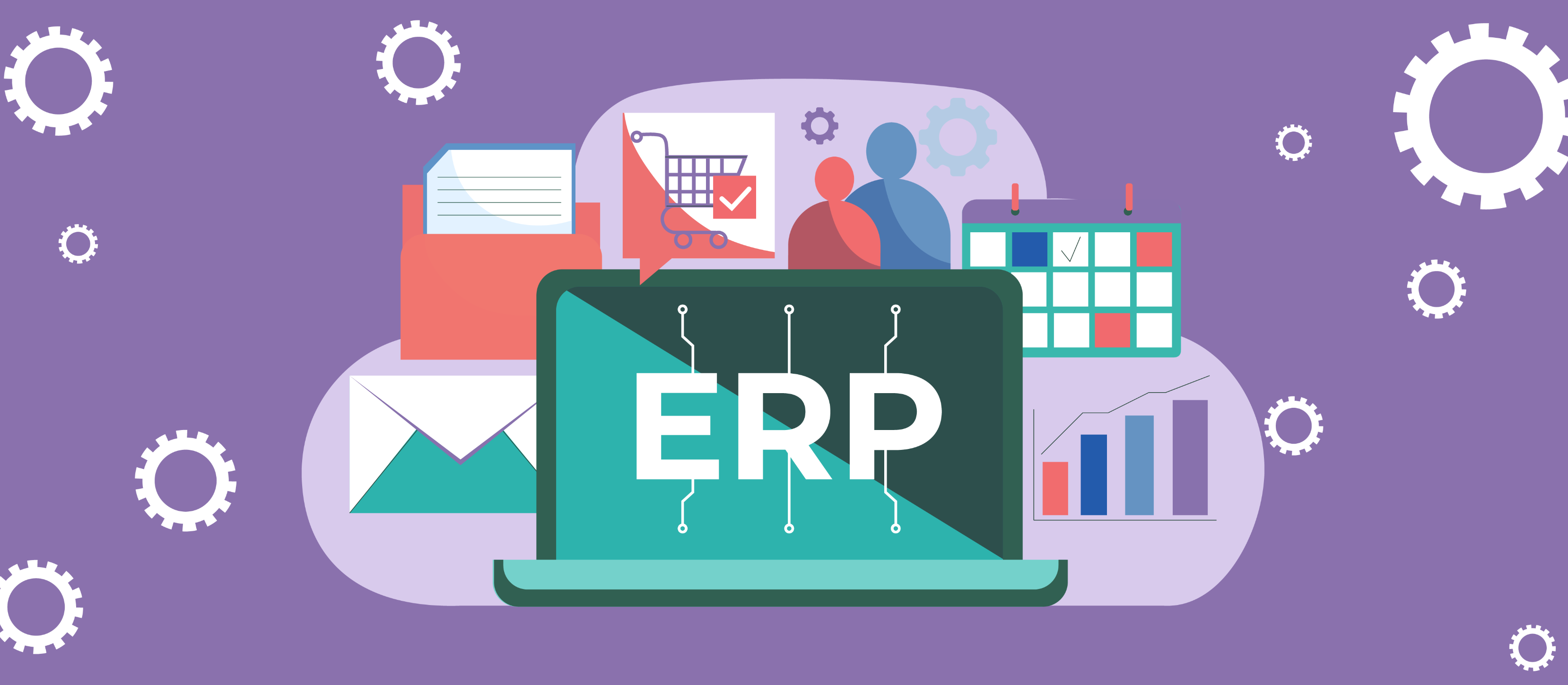
ERP Online refers to Enterprise Resource Planning (ERP) systems that are accessible and operable over the internet. These systems integrate various business processes into a unified platform, enabling organizations to manage and automate functions such as finance, human resources, supply chain, and customer relations from a centralized online interface.
Unlike traditional ERP systems that are installed on-premise and require dedicated hardware and IT infrastructure, ERP Online solutions are hosted on remote servers and accessed through web browsers.
Top Market in ERP Online
Manufacturing Sector
Manufacturing companies rely heavily on ERP systems to manage complex production processes, inventory control, and supply chain management. ERP Online solutions cater to these needs by providing real-time visibility into production schedules, optimizing resource utilization, and ensuring seamless integration with suppliers and distributors.
Retail and Wholesale Distribution
ERP systems play a crucial role in retail and wholesale sectors by streamlining inventory management, sales tracking, and customer relationship management (CRM). ERP Online solutions offer retailers the flexibility to manage multiple sales channels, monitor stock levels in real-time, and analyze customer buying patterns to optimize marketing strategies and enhance customer satisfaction.
Healthcare Industry
Healthcare organizations benefit from ERP Online systems by improving patient care through efficient management of medical supplies, equipment maintenance, and patient information. These systems integrate clinical and administrative processes, ensuring compliance with healthcare regulations and enhancing operational efficiency across hospitals, clinics, and medical practices.
Financial Services
ERP Online solutions are critical for financial institutions to manage complex financial transactions, regulatory compliance, and risk management. These systems facilitate real-time financial reporting, automate reconciliation processes, and provide insights into market trends and customer behaviors, thereby supporting informed decision-making and ensuring operational transparency.
Service-Based Industries
Service-oriented businesses such as consulting firms, IT services providers, and professional services companies leverage ERP Online systems to streamline project management, resource allocation, and billing processes. These solutions improve project profitability, enhance client satisfaction through timely service delivery, and support business growth by optimizing resource utilization and operational efficiency.
Type of ERP Online
Cloud ERP
Cloud ERP systems are hosted on remote servers and accessed through web browsers. They offer scalability, flexibility, and cost-effectiveness as businesses can subscribe to services based on their usage needs. Cloud ERP eliminates the need for on-premise hardware and allows for remote access, making it ideal for small to medium-sized enterprises (SMEs) and large corporations alike.
SaaS (Software-as-a-Service) ERP
SaaS ERP is a specific type of cloud ERP where the ERP software is delivered and managed remotely by a third-party provider. Organizations pay a subscription fee to access the software via the internet. SaaS ERP solutions are known for their rapid deployment, automatic updates, and scalability, making them popular among businesses looking to minimize upfront costs and IT overhead.
Hybrid ERP
Hybrid ERP systems combine elements of both on-premise and cloud-based deployments. They offer flexibility by allowing certain parts of the ERP system to be hosted on-premise while leveraging cloud services for other modules or functionalities. Hybrid ERP is suitable for organizations that require customization and integration capabilities while benefiting from the scalability and accessibility of cloud technologies.
Open Source ERP
Open Source ERP systems provide businesses with access to the source code of the ERP software, allowing for customization and adaptation according to specific business needs. These systems are typically community-driven and offer cost-effective solutions for organizations looking to leverage the expertise of a global community of developers and users.
Mobile ERP
Mobile ERP solutions enable users to access ERP functionalities via mobile devices such as smartphones and tablets. These systems provide real-time data access, enabling employees to manage tasks, approve workflows, and access reports on the go. Mobile ERP enhances workforce productivity and responsiveness, particularly in industries where mobility and flexibility are paramount.
Industry-Specific ERP
Industry-specific ERP systems are tailored to meet the unique requirements of particular industries such as manufacturing, healthcare, retail, and hospitality. These ERP solutions incorporate industry-specific features, compliance standards, and best practices to optimize operations and support business growth within specialized sectors.
Choosing the Right ERP Online
1. Business Requirements Assessment
Conduct a thorough analysis of your organization’s current processes, pain points, and future goals. Identify specific areas where an ERP system can bring significant improvements, such as inventory management, financial reporting, or customer relationship management (CRM).
2. Scalability and Flexibility
Evaluate the scalability of the ERP system to ensure it can grow with your business. Consider whether the solution offers flexible deployment options, such as cloud-based, hybrid, or on-premise, that align with your scalability needs and IT infrastructure.
3. Functionality and Features
Determine which ERP features are essential for your business operations. Key functionalities may include finance and accounting, human resources management, supply chain management, manufacturing, CRM, and business intelligence. Ensure the ERP system can support industry-specific requirements and regulatory compliance.
4. Integration Capabilities
Assess the ERP system’s integration capabilities with existing software applications, databases, and third-party systems. Seamless integration is crucial for data consistency and workflow efficiency across departments.
5. User Experience and Ease of Use
Consider the ERP system’s user interface (UI) and usability. A user-friendly interface enhances adoption rates among employees and reduces training time. Look for intuitive navigation, customizable dashboards, and mobile accessibility for remote and field workers.
6. Vendor Reputation and Support
Research the ERP vendor’s reputation, industry experience, and track record of successful implementations. Read customer reviews and seek references to gauge satisfaction levels and the vendor’s commitment to ongoing support and updates.
7. Cost Considerations
Compare pricing models, including upfront costs, subscription fees, licensing fees, implementation costs, and ongoing maintenance expenses. Calculate the total cost of ownership (TCO) over the system’s lifespan and consider ROI based on anticipated business benefits.
8. Security and Compliance
Prioritize ERP systems that adhere to industry security standards and regulatory requirements (e.g., GDPR, HIPAA). Evaluate data encryption protocols, access controls, backup procedures, and disaster recovery plans to safeguard sensitive business information.
9. Vendor Stability and Future Roadmap
Assess the ERP vendor’s financial stability, long-term viability, and commitment to product development. Inquire about the vendor’s future roadmap for system enhancements, updates, and support for emerging technologies like AI, IoT, and blockchain.
10. Demo and Evaluation
Request a comprehensive demo of the ERP system to evaluate its functionality, performance, and alignment with your business needs. Involve key stakeholders and end-users in the evaluation process to gather feedback and ensure buy-in.
Implementing an ERP Online
1. Needs Assessment and Planning
-
Conduct a Needs Analysis: Evaluate current business processes, identify pain points, and define goals for ERP implementation. Engage key stakeholders from departments like finance, HR, operations, and IT to gather requirements.
-
Set Implementation Goals: Establish clear objectives such as improving efficiency, enhancing data visibility, or integrating multiple systems. Define metrics to measure success and align implementation with organizational priorities.
2. Vendor Selection
-
Research ERP Vendors: Evaluate reputable ERP vendors that specialize in cloud-based solutions. Consider factors such as industry expertise, scalability, integration capabilities, and customer support.
-
Request Demos and References: Schedule demos to assess user interface, functionality, and customization options. Obtain references from similar-sized organizations and inquire about their experiences with the vendor.
3. Customization and Configuration
-
Define Customization Needs: Identify specific functionalities and workflows that require customization to align with business processes. Work closely with the vendor to configure the ERP system according to your requirements.
-
Data Migration: Plan for data migration from existing systems to the new ERP platform. Cleanse data to ensure accuracy and consistency, and establish protocols for handling legacy data during transition.
4. Training and Change Management
-
Develop Training Programs: Design comprehensive training programs for employees across different departments. Provide hands-on sessions, user manuals, and online resources to familiarize users with ERP functionalities.
-
Change Management: Anticipate resistance to change and develop strategies to promote ERP adoption. Communicate the benefits of the new system, address concerns, and involve champions from each department to facilitate buy-in.
5. Testing and Validation
-
Conduct System Testing: Perform rigorous testing of the ERP system to validate functionality, data integrity, and user experience. Identify and resolve any issues or discrepancies before the system goes live.
-
User Acceptance Testing (UAT): Engage end-users in UAT to ensure the ERP system meets operational requirements and resolves user feedback promptly. Use UAT results to fine-tune configurations and workflows.
Future Trends in ERP Online
Artificial Intelligence (AI) and Machine Learning (ML)
AI and ML technologies are set to revolutionize ERP systems by enabling predictive analytics, automation of routine tasks, and intelligent decision-making. AI-powered ERP solutions can analyze vast amounts of data in real-time, identify patterns, and provide actionable insights to optimize operations and drive business growth.
Internet of Things (IoT) Integration
IoT integration with ERP Online systems will enable businesses to connect and gather data from physical devices, machinery, and sensors in real-time. This seamless integration allows for proactive maintenance, improved supply chain visibility, and enhanced asset management, thereby optimizing resource utilization and operational efficiency.
Blockchain for Enhanced Security and Transparency
Blockchain technology is set to enhance security and transparency within ERP systems by providing a decentralized and immutable ledger for transactional data. This technology can streamline supply chain processes, improve traceability, and ensure compliance with regulatory standards across industries such as manufacturing, logistics, and finance.
Cloud Continues to Dominate
Cloud-based ERP solutions will continue to dominate the market due to their scalability, cost-effectiveness, and accessibility. Businesses will increasingly adopt SaaS (Software-as-a-Service) ERP models for rapid deployment, automatic updates, and seamless integration with other cloud applications, supporting remote workforces and global operations.
Focus on User Experience (UX) and Mobility
Future ERP systems will prioritize intuitive user interfaces, customizable dashboards, and mobile accessibility. Enhancing UX design will boost user adoption rates, improve productivity, and empower employees to access critical data and perform tasks anytime, anywhere, using mobile devices.
Advanced Analytics and Business Intelligence
ERP systems will leverage advanced analytics and business intelligence tools to provide real-time insights into key performance indicators (KPIs), trends, and predictive analytics. These capabilities enable organizations to make informed decisions, identify opportunities for growth, and respond swiftly to market changes.
Integration with Emerging Technologies
ERP Online systems will increasingly integrate with emerging technologies such as augmented reality (AR) and virtual reality (VR) to enhance training, maintenance, and remote collaboration. These technologies enable immersive experiences and improve operational efficiency in industries like manufacturing and field services.
Focus on Sustainability and Green ERP
There will be a growing emphasis on sustainability and environmental responsibility within ERP systems. Green ERP initiatives will focus on optimizing energy consumption, reducing carbon footprints, and implementing eco-friendly practices throughout supply chain management and operations.
Conclusion
In conclusion, the future of ERP Online systems is promising and transformative, driven by advancements in technology and evolving business needs. As businesses increasingly embrace digital transformation, ERP systems play a crucial role in enhancing operational efficiency, scalability, and decision-making capabilities.
Key trends such as artificial intelligence (AI), machine learning (ML), IoT integration, and blockchain are reshaping ERP solutions, enabling predictive analytics, real-time data insights, and enhanced security measures. Cloud-based ERP models continue to dominate, offering flexibility, cost-effectiveness, and accessibility for global operations and remote workforces.
Moreover, there’s a strong focus on user experience (UX), mobile accessibility, and integrating emerging technologies like AR/VR to improve productivity and collaboration. Businesses are also prioritizing sustainability and green ERP initiatives to optimize resource utilization and reduce environmental impact.